
Is Solar the Right Solution for You?
You may need a solar system if you are experiencing the following:
- Frequent power outages
- High electricity bills
- No access to reliable grid power
- Business interruptions during blackouts
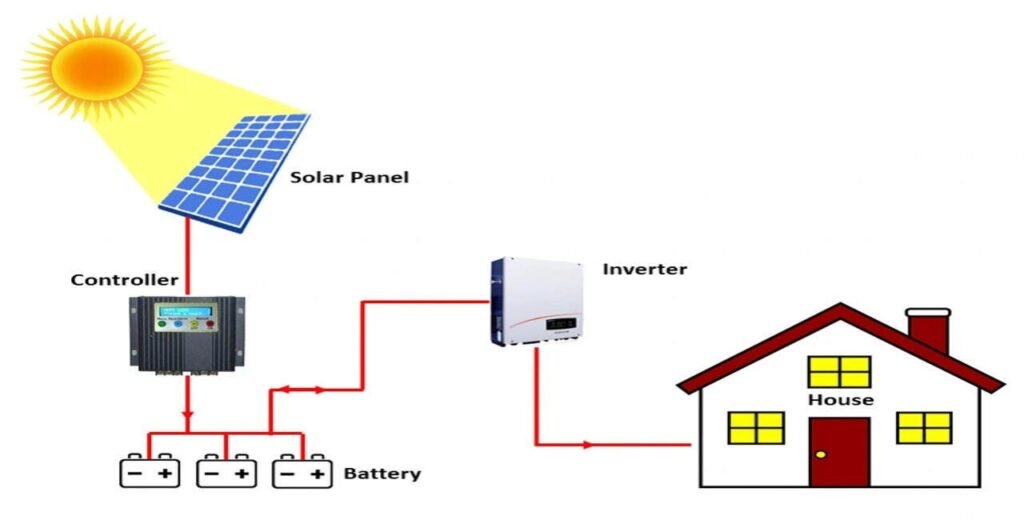
A complete solar solution system has four core components:
-
Solar Panels – Produce electricity from sunlight
They convert sunlight into DC electricity using photovoltaic cells. Power production depends on sunlight intensity and panel size.
2. Inverter – Converts stored power into usable electricity
It converts DC power from the battery into AC power used by household appliances. This makes the electricity suitable for TVs, fridges, and other devices.
3. Solar Charge Controller – Regulates power going into the battery
It controls the voltage and current flowing to the battery to prevent overcharging and damage. This helps protect and extend battery life.
4. Battery – Stores electricity
It stores excess power generated during the day for use at night or during outages. Battery capacity determines how long your appliances can run.
1.Solar Panels – Where Power Starts

Solar Panels /PV- Modules
Solar Panels /PV- Modules
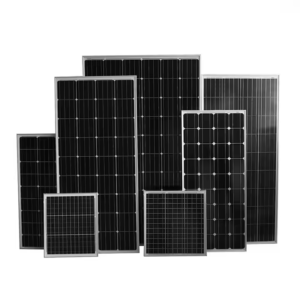
Solar Panels /PV- Modules
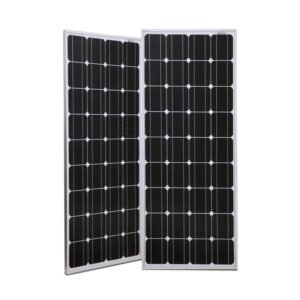
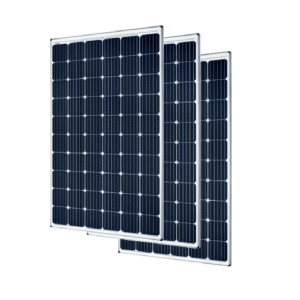
Top-Quality Solar Panels (50W – 550W) for Home and Business in Kenya
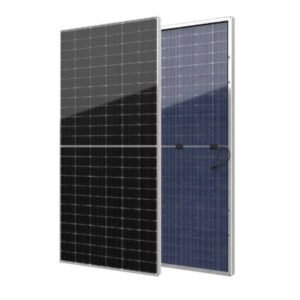
Solar Panels /PV- Modules

Solar panels work by capturing sunlight and converting it into usable electricity. The panel size (measured in Watts) determines how much electricity it can produce daily.. There are two main types available in Kenya. Monocrystalline panels offer higher efficiency and are the better choice when roof or installation space is limited. Polycrystalline panels are slightly less efficient but come at a lower upfront cost, making them a practical option for budget-conscious buyers. As a general rule — if space is tight, go monocrystalline. If keeping costs down is the priority, polycrystalline does the job well.
2. Solar Charge Controllers – Protect Your Battery

Solar Charge Controllers

Solar Charge Controllers
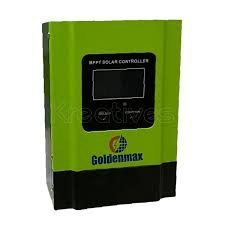
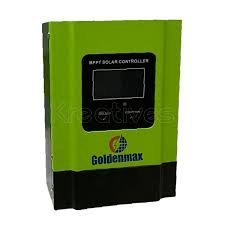
Solar Charge Controllers


A solar charge controller is one of the most overlooked yet critical components in any solar system. Its job is simple but essential — it regulates the flow of electricity from the solar panel to the battery, protecting it from damage. Without a charge controller, your battery is exposed to serious risks including overcharging, overheating, accelerated wear, and a significantly shorter lifespan.
There are two types of solar charge controllers:
PWM (Pulse Width Modulation) — More affordable and suitable for small solar systems handling basic loads like lights, a router, or a small TV.
MPPT (Maximum Power Point Tracking) — More efficient and capable of extracting more usable power from your panels. The better choice for medium and large systems where performance and faster charging matter.
If your setup is small and straightforward, PWM gets the job done at a lower cost. If you want maximum efficiency and are running a larger system, MPPT is worth the investment.
3️. Solar Batteries – Store Your Power

Luminous batteries
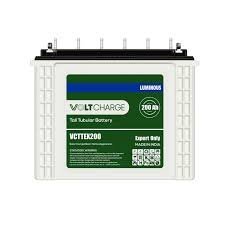
Luminous batteries
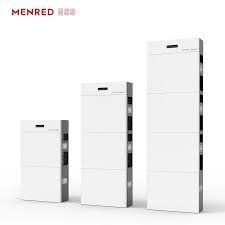
Lithium Batteries

Lithium Batteries

Lithium Batteries
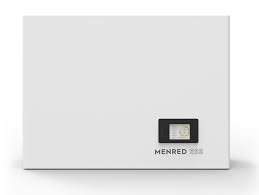
Lithium Batteries

Lithium Batteries

Gel Batteries
Batteries are what make a solar system truly independent — storing the electricity generated during the day so you can use it at night, during blackouts, or when sunlight is low. The capacity of your battery determines how long your appliances can run without the panels actively generating power.
There are three main types of solar batteries:
Lead Acid Batteries — The most affordable entry point, but require regular maintenance and have a shorter lifespan compared to newer options.
Gel Batteries — Maintenance-free with a longer lifespan than lead acid, making them a reliable mid-range choice for most households.
Lithium Batteries — The premium option. Faster charging, the longest lifespan, and zero maintenance — but at a higher upfront cost.
If budget is the main concern, Gel batteries offer a good balance of affordability and reliability. If you are thinking long-term and want the best return on investment over time, Lithium is the smarter choice.
4️. Inverters – Make Power Usable
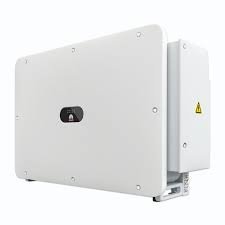
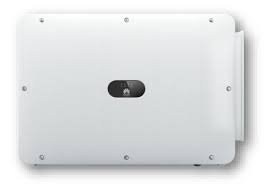
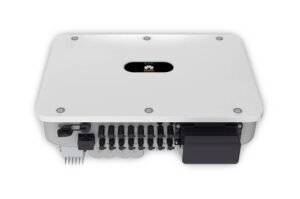
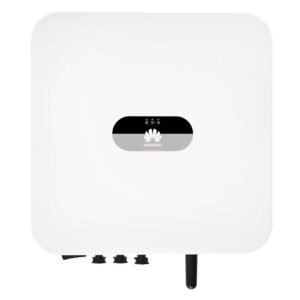
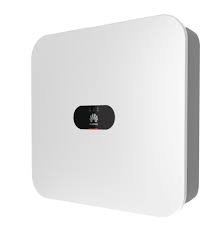
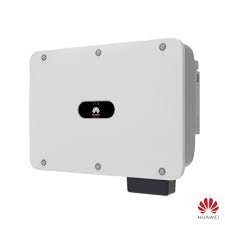
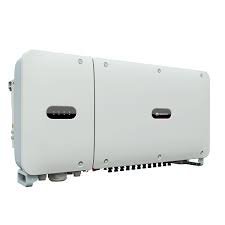
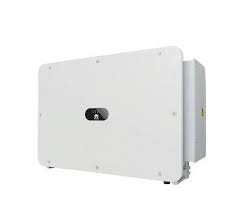
Solar panels and batteries store electricity as DC power, but most household and office appliances run on AC power. An inverter bridges that gap — converting DC into usable AC electricity for everyday devices including TVs, fridges, laptops, lighting, and office equipment.
There are two main types of inverters:
Pure Sine Wave Inverter — The standard choice for most homes and offices. Produces clean, stable power that is safe for sensitive electronics and all common household appliances.
Hybrid Inverter — A more versatile option that works with solar, battery, and grid power simultaneously. Ideal if you want the flexibility of switching between solar and mains electricity or feeding excess power back to the grid.
For most Kenyan households, a pure sine wave inverter is all that is needed. If you want the added flexibility of combining solar with your existing grid connection, a hybrid inverter is the better long-term investment
Choosing the Right Solar System Size
| System Size | Ideal For | Appliances / Loads | Notes |
| Small System (0.5–1 kW panels, 1–2 kWh battery) | Apartments, small homes | • Lights • TV • WiFi • Charging devices |
Good for basic backup needs. Lower upfront cost. |
| Medium System (2–3 kW panels, 5–10 kWh battery) | Average family homes | • Fridge • Multiple lights • TV • Fans • Small appliances |
Most common setup for standard daily use. |
| Large System (5–10 kW panels, 10–20+ kWh battery) | Businesses, large homes | • Multiple appliances • Office equipment • Security systems • Commercial loads |
Best for high power consumption and commercial use. |
Not sure which system size fits your needs?
Not Sure What to Buy?
If you are unsure:
- List the appliances you want to power
- Estimate how many hours per day you need backup
- Contact us with that information
We will recommend the correct: Panel size, Charge controller, Battery capacity, and Inverter rating
How to Order
-
- Click on the product you are interested in.
- Confirm the price and availability.
- Add to cart or click the WhatsApp button below the product to speak with us instantly.
- Arrange delivery or pickup after confirmation.
Installation support can also be arranged.
Find the Right Solar System for Your Home or Business and Start Saving on Electricity – Get Your Free Quote Today!